
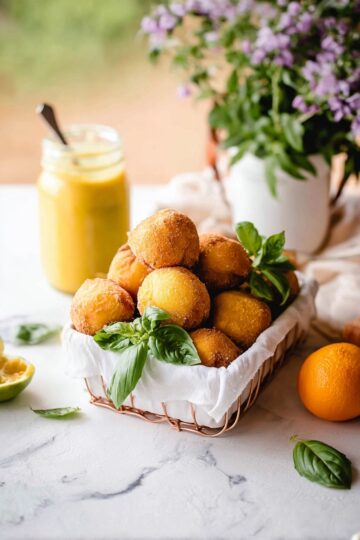
There's something truly delightful about the zing and creaminess of fresh lemon curd, and this Homemade Lemon Curd Recipe captures that bright, tangy magic perfectly. It's fresh, smooth, and brings sunshine to anything you pair it with, from morning toast to fancy desserts.

Jump to:
Why You'll Love This Recipe
This Homemade Lemon Curd Recipe is one of those kitchen treasures I come back to time and again. It's surprisingly simple but feels so special — homemade lemon curd just has a way of lifting every bite it touches!
- Bright, Natural Flavor: Made with fresh lemon juice and zest, it bursts with authentic citrus tang that store-bought jars just can't match.
- Simple Pantry Ingredients: You only need a handful of things — sugar, eggs, butter, and lemons — making it easy to whip up anytime.
- Silky, Smooth Texture: Cooking carefully and adding butter off the heat gives a luscious finish that's perfect for spreading or filling.
- Versatility: Whether it's for your breakfast scones, layered cakes, or a dollop on yogurt, it’s a splash of sunshine that elevates every dish.
Ingredients & Why They Work
The ingredients in this Homemade Lemon Curd Recipe are straightforward but each plays a vital role in creating that silky, tangy balance you’re after. Picking fresh lemons with good zest and juice quality makes a big difference, so look for bright, firm lemons.

- Sugar: Sweetens to balance lemon's acidity and helps with thickening.
- Large Egg and Egg Yolks: These add richness and act as natural thickeners for that velvety texture.
- Fresh Lemon Juice: The star of the show, providing vibrant citrus notes.
- Lemon Zest: Packs a punch of aromatic oils that juice alone can’t deliver.
- Sea Salt: Just a pinch enhances all the flavors without making it salty.
- Cold Butter Cubed: Added off heat, it enriches the curd and gives it that melt-in-your-mouth smoothness.
Make It Your Way
I love customizing this lemon curd depending on the season or mood. Sometimes I add a tiny splash of vanilla for extra depth, or swap out some of the lemon for lime juice for a twist. Don’t be afraid to tweak it to suit your taste!
- Extra Citrus Punch: Add a tablespoon of orange juice or zest for a citrus medley — it brightens the flavor wonderfully.
- Less Sweet Version: Reduce the sugar slightly if you prefer a tangier, less sweet curd. Just keep an eye on the thickening.
- Vegan Variation: For a dairy-free version, try substituting the butter with coconut oil — the flavor changes, but it’s still delicious.
Step-by-Step: How I Make Homemade Lemon Curd Recipe

Step 1: Whisk Everything Together Smoothly
Start by mixing the sugar, whole egg, egg yolks, lemon juice, lemon zest, and sea salt in a medium saucepan. I find using a non-metal (like ceramic-coated) saucepan avoids any metallic taste in the curd. Whisk thoroughly until the mixture is completely smooth with no egg lumps — this ensures an even, creamy texture later.
Step 2: Slow and Steady Cooking
Place the pan over medium-low heat, stirring frequently — scrape the edges and bottom often to prevent burning. As it heats up, the mixture will thicken and eventually bubble gently. Patience is key here! Rushing this step can cause curdling or scrambling of eggs, so take your time and keep the temperature controlled.
Step 3: Finish With Butter Off The Heat
Once thickened, remove the curd from heat right away. If you spot any lumps, you can strain it through a fine sieve for the smoothest result. Add your cold, cubed butter and stir or whisk until it melts completely into the warm curd — this step is what makes it incredibly silky and rich.
Step 4: Chill With Care
To avoid that pesky skin forming on top, press a piece of parchment paper or plastic wrap directly onto the surface of the lemon curd as it cools. Pop it in the fridge for 1-2 hours. It will firm up nicely and the flavors will deepen as it chills.
Top Tip
From my experience, the magic really happens in the cooking process and the addition of cold butter off the heat. Overcooking or rushing will spoil the texture, so take your time—the result is worth it!
- Temperature Control: Keeping the heat on medium-low and stirring often prevents curdling and burning.
- Non-Metal Pan: Using a ceramic or non-reactive pan avoids off-flavors and helps maintain the bright lemon profile.
- Butter Timing: Add butter only after removing from heat to keep the curd silky and not greasy.
- Parchment Paper Press: Placing wrap directly on the curd saves you from a stubborn skin that no one wants to deal with!
How to Serve Homemade Lemon Curd Recipe

Garnishes
I usually finish dishes with a fresh lemon zest sprinkle or a few mint leaves when serving lemon curd — it adds a pop of color and extra freshness that pairs beautifully with the tang.
Side Dishes
This lemon curd pairs wonderfully alongside flaky scones or buttery toast for breakfast. It also shines as a dollop on yogurt or alongside fresh berries for a light dessert pairing.
Creative Ways to Present
For special occasions, I love layering this lemon curd between sponge cake layers or piping it into mini tart shells topped with whipped cream and candied lemon slices. It always gets compliments and adds that homemade wow factor.
Make Ahead and Storage
Storing Leftovers
Store any leftover lemon curd in an airtight container in the fridge. It keeps well for up to two weeks, though I bet it won't last that long because it’s so good!
Freezing
I’ve frozen lemon curd in small portions before with decent results—just thaw it overnight in the fridge. The texture might be a touch different, but the flavor stays bright and fresh.
Reheating
Gently reheat lemon curd on the stovetop over low heat or in the microwave in short bursts, stirring frequently to prevent overheating. This keeps it creamy without curdling.
Frequently Asked Questions:
Lumps usually happen if the eggs cooked too quickly or the curd was overheated. To avoid this, cook on medium-low heat and stir constantly. If lumps appear, straining the curd through a fine sieve after cooking will smooth it out perfectly.
While fresh lemon juice gives the best bright flavor, you can use bottled lemon juice in a pinch. Just make sure it's pure lemon juice without additives or preservatives to keep the curd tasting fresh and natural.
Homemade lemon curd keeps well in an airtight container in the refrigerator for up to two weeks. Always check for any off smells or changes before using, but usually it stays great within that timeframe.
Yes! You can freeze lemon curd in small containers or ice cube trays for up to 3 months. Thaw in the fridge overnight and stir well before using. Freezing is a great way to save leftovers or prep ahead.
Final Thoughts
This Homemade Lemon Curd Recipe is my go-to when I want a little sunny joy in the kitchen. There's nothing like spreading fresh, homemade lemon curd on warm toast or folding it into a dessert to bring smiles all around. Give it a try — I promise, once you taste it, you'll be hooked and reaching for lemons more often too!
Print
Homemade Lemon Curd Recipe
- Prep Time: 10 minutes
- Cook Time: 10 minutes
- Total Time: 20 minutes
- Yield: 1.5 cups
- Category: Condiment
- Method: Stovetop
- Cuisine: American
Description
This lemon curd recipe is a tangy, creamy spread bursting with bright citrus flavor, made from simple ingredients like lemon juice, eggs, sugar, and butter. Perfectly smooth and thick, it balances rich buttery notes with fresh acidity, ideal for cakes, tarts, pies, or breakfast items like scones. It yields about 1 ½ cups of delicious homemade lemon curd, far tastier than store-bought versions.
Ingredients
Main Ingredients
- ⅔ cup sugar
- 1 large egg
- 2 large egg yolks
- ⅓ cup lemon juice (from about 2 lemons)
- 1 lemon zested
- ⅛ teaspoon sea salt
- ⅓ cup butter (cold and cubed)
Instructions
- Combine Ingredients: In a medium saucepan, whisk together sugar, whole egg, egg yolks, lemon juice, lemon zest, and sea salt until smooth with no pieces of egg remaining. Use a non-metal saucepan like ceramic coated to prevent metallic flavors.
- Cook the Curd: Place the saucepan over medium-low heat and stir frequently to avoid burning on the bottom. Cook the mixture until it thickens and starts bubbling gently.
- Add Butter: Remove the saucepan from heat. Immediately transfer or strain the curd into a non-metal heat-safe container or jar if lumpy. Add cold cubed butter and stir or whisk until the butter melts and the curd becomes smooth and glossy.
- Chill the Curd: Cover the surface of the curd directly with parchment paper or plastic wrap to prevent a skin from forming. Refrigerate for about 1 to 2 hours until chilled and further thickened, then it's ready to serve.
Notes
- This lemon curd is perfectly smooth, tangy, and creamy with a fresh citrus burst.
- Using a non-metal saucepan helps avoid any metallic aftertaste.
- Cold butter added at the end lends richness and creates a glossy finish.
- Covering the curd while chilling prevents skin formation on top.
- Yields approximately 1 ½ cups of curd, enough for spreading or filling multiple desserts.
- Best used chilled but can be stored in the refrigerator for up to a week.
Nutrition
- Serving Size: 1 tablespoon
- Calories: 48 kcal
- Sugar: 5 g
- Sodium: 33 mg
- Fat: 3 g
- Saturated Fat: 2 g
- Unsaturated Fat: 1.2 g
- Trans Fat: 0.1 g
- Carbohydrates: 5 g
- Fiber: 0.01 g
- Protein: 0.5 g
- Cholesterol: 28 mg



Leave a Reply