
There’s nothing quite as satisfying as serving a perfectly sliced turkey at your holiday table. Getting that beautiful presentation is easier than you think when you know How to Carve a Turkey Like a Pro Recipe. Let me walk you through the steps so you can impress your guests with skill and confidence!

Jump to:
Why You'll Love This Recipe
This guide to How to Carve a Turkey Like a Pro Recipe is a total game changer. I used to fumble through turkey carving every year, but learning a few simple techniques made this part of the feast enjoyable — and my platter photo-worthy!
- Straightforward Technique: Step-by-step instructions take the guesswork out of carving your bird.
- Impress Your Guests: Beautifully sliced turkey looks elegant and inviting on any holiday table.
- Efficient and Clean: You’ll avoid tearing the meat or wasting tasty pieces with my practical tips.
- Stress-free Turkey Day: Carving becomes less of a chore and more of a fun, proud moment.
Ingredients & Why They Work
There aren’t many ingredients needed, but each plays its role in helping the turkey shine and the presentation pop. Also, small casino touches with garnishes can make a big difference visually and flavor-wise.

- Roasted Turkey: A well-cooked turkey with crispy skin and juicy meat is your canvas — the fresher and evenly roasted, the better it carves.
- Garnishes (Lemon slices, cranberries, fresh herbs): These add color, aroma, and a fresh pop that makes the platter irresistibly inviting. Plus, they provide subtle complementary flavors.
Make It Your Way
I love customizing my turkey carving approach depending on who I’m serving. For example, if I have kids at the table, I carve smaller, bite-sized pieces that are easier for them to handle. You can totally adjust the slicing thickness and garnish choices to suit your vibe and guests.
- Variation: Try carving with a boning knife for more precision if you’re comfortable handling smaller blades — it makes removing bones easier and saves every bit of meat!
- Dietary Tip: Pair this bird with gluten-free sides or herb butter for those avoiding dairy — the carved turkey meat holds flavor beautifully on its own.
Step-by-Step: How I Make How to Carve a Turkey Like a Pro Recipe

Step 1: Remove the Legs and Thighs with Confidence
Start by slicing through the skin that connects the leg to the breast. Then gently pull the leg outward to expose the joint — a subtle pop means you’re in the right spot! Use your knife to carefully cut around the joint and free the leg and thigh. Don’t rush this; a steady hand keeps the skin intact and the cuts clean. Repeat on the other side and set these aside.
Step 2: Lift Off the Breasts
Slicing down either side of the breastbone using long, confident strokes lets you remove the breast meat in one piece. Use your thumb to gently tug the meat outward as you cut, and if it’s stubborn, a small horizontal slice at the bottom will help release it. This technique ensures juicy, unshredded breast slices. Repeat on the other side and set aside.
Step 3: Detach the Wings Neatly
Gently pull the wing away from the body and slice cleanly through the joint to remove each wing. I usually trim off the wing tips since they have little meat. Setting these aside keeps the platter balanced and tidier.
Step 4: Separate the Drumstick from the Thigh
Flip the leg piece skin-side down and slice through the meat to expose the joint more clearly. Then slice through to separate drumstick and thigh. This makes carving and serving easier, plus it visually tidy on the plate.
Step 5: Bone the Thigh for Tender Slices
Use your knife to carefully slice around the thigh bone without wasting any meat. This little extra step makes it so much easier to carve the thigh meat into tender, skin-on pieces—my family appreciates that skin is included because it holds so much flavor and moisture.
Step 6: Final Carving and Platter Arrangement
Slice all pieces against the grain to keep the meat tender. Keep the skin attached if possible—it adds great flavor and a beautiful look. Arrange all turkey components neatly on a large platter, then add your garnishes like lemon slices, fresh herbs, or cranberries for that festive pop.
Top Tip
I used to dread carving turkey because I feared wasting meat or creating a mess. After a few flubs, I developed these go-to tips that transformed my carving game completely:
- Use a Sharp Knife: A dull blade slips and tears the meat, so sharpening your knife is the single best prep step.
- Follow the Joints: Listening for that “pop” and feeling the joint movement lets you separate pieces cleanly without hacking through bones.
- Slice Against the Grain: This simple slicing direction gives you juicy, tender turkey every time.
- Keep Skin On: Skin locks in moisture and looks so inviting, so I battle any temptation to peel it off mid-carve.
How to Serve How to Carve a Turkey Like a Pro Recipe

Garnishes
I always dress up the platter with a mix of lemon slices, fresh rosemary sprigs, and bright cranberries. These add that festive burst of color and a hint of freshness that balances the richness of the turkey. Plus, they make your plate look like it belongs in a food magazine!
Side Dishes
Serving this carved turkey with creamy mashed potatoes, roasted Brussels sprouts, and a tangy cranberry sauce is my classic combo. But honestly, anything from green bean casserole to a fresh autumn salad pairs beautifully.
Creative Ways to Present
For special dinners, I like to serve each turkey section on separate platters grouped by cut — breasts on one, legs on another. You can also line the platter with leafy greens and scatter fresh herbs or edible flowers to wow your guests visually.
Make Ahead and Storage
Storing Leftovers
I wrap leftover turkey tightly in plastic wrap, then store it in airtight containers in the fridge. This protects moisture and flavor, so the slices stay juicy and ready for sandwiches the next day. Using deli paper between layers prevents sticking too!
Freezing
Leftover turkey freezes beautifully when wrapped well. I use freezer-safe bags and remove as much air as possible. Thawed leftovers work great for casseroles or soups, though the texture is best when reheated gently.
Reheating
To keep your carved turkey moist on reheating, cover slices with foil and add a splash of broth or gravy over the meat. Heat in a low oven (around 300°F) until warmed through—this gentle approach prevents drying.
Frequently Asked Questions:
A sharp carving knife or a long, thin slicing knife works best because it allows you to make clean, precise cuts without tearing the meat. Avoid serrated knives for carving as they can shred the turkey.
Make sure the turkey has rested properly after roasting—about 20-30 minutes—so the juices redistribute. When you carve, slice gently against the grain and keep the skin attached to lock in moisture.
Absolutely! Carve the turkey a few hours before serving, then cover and refrigerate. Reheat gently as suggested to keep the meat juicy, or serve cold, perfect for sandwiches or salads.
Pull the leg gently away from the body until you feel the joint loosen with a slight pop. Then slice carefully around the joint to fully detach the leg and thigh without hacking through the bone.
Final Thoughts
Mastering How to Carve a Turkey Like a Pro Recipe made a huge difference in how I approach holiday meals. It transforms turkey from a stressful task into a proud, almost meditative ritual that sets the tone for a warm family gathering. I’m excited for you to try it and serve your guests perfectly sliced turkey with confidence and joy!
Print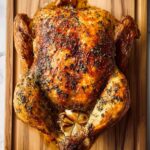
How to Carve a Turkey Like a Pro Recipe
- Prep Time: 20 minutes
- Cook Time: 0 minutes
- Total Time: 20 minutes
- Yield: 14 servings
- Category: Main Course
- Method: Stovetop
- Cuisine: American
Description
Master the art of slicing and presenting your roasted turkey like a professional with this straightforward carving guide. Perfect for Thanksgiving or any special occasion, this method ensures juicy, tender slices with beautiful presentation.
Ingredients
Turkey
- 1 roasted turkey (approximately 14 pounds)
Garnishes (optional)
- Lemon slices
- Cranberries
- Fresh herbs
Instructions
- Remove the legs and thighs: Slice through the skin between the leg and the breast. Pull back on the leg, laying it flat outward, and push up on the joint from underneath until you hear a slight pop. Cut around the joint and remove the leg and thigh completely. Repeat on the other side and set aside.
- Remove the breasts: Slice down on either side of the breastbone with long strokes. As your knife hits the bottom, gently pull the breasts outward using your thumb, continuing to slice down and out until the breast meat is removed. If needed, slice horizontally at the bottom of the breast to help remove it. Repeat on the other side and set aside.
- Remove the wings: Pull the wings away from the body gently and slice through the joint to remove them. Optionally, remove the wing tips as they contain little meat. Set all aside.
- Separate drumstick from thigh: Flip each leg piece skin side down. Slice through the meat and gently pull back on the drumstick to expose the joint, then slice through it, separating drumstick and thigh.
- Remove the bone from the thigh: Use your knife to carefully slice around the thigh bone, preserving as much meat as possible.
- Carve the final pieces: Slice all pieces against the grain for tender meat, keeping skin attached to each piece when possible.
- Arrange and garnish: Place all carved pieces on a platter and decorate with lemon slices, cranberries, and fresh herbs as desired for a stunning presentation.
Notes
- Practice makes perfect — don’t be intimidated; carving a turkey is easier than it looks.
- Use a sharp, sturdy carving knife for clean cuts and safety.
- Let the turkey rest for at least 20 minutes after roasting to retain juices and make carving easier.
- Keep the skin on each slice to enhance flavor and moisture.
- Remove wing tips as they have little to no meat and won’t be eaten.
- Save the carcass for making flavorful turkey stock or soup.
- Watch tutorial videos to improve technique and confidence.
Nutrition
- Serving Size: 1 serving
- Calories: 96 kcal
- Sugar: 1 g
- Sodium: 168 mg
- Fat: 10 g
- Saturated Fat: 6 g
- Unsaturated Fat: 4 g
- Trans Fat: 0 g
- Carbohydrates: 2 g
- Fiber: 1 g
- Protein: 1 g
- Cholesterol: 26 mg


Leave a Reply